
Written by: Lucille Rosetti
For aspiring homeowners and first-time home buyers, home ownership’s financial potential is often hiding in plain sight. The core tension is that a home gets framed as a lifestyle milestone or a monthly payment to survive, so the wealth-building side feels like something reserved for investors or the lucky. That misunderstanding can lead to decisions driven by fear, confusion, or pressure instead of clarity. With basic financial literacy for homeowners, building wealth through real estate becomes a skill to learn and apply.
Understanding How Home ownership Builds Wealth
Home ownership builds wealth through a few connected engines, not one magic trick. Your equity grows as you pay down the loan and as the home’s price changes, since equity is the home’s market value minus what you still owe. Mortgage leverage helps because you control a large asset with a smaller upfront stake, while homeowner tax benefits can keep more of your money working for you.
This matters because it turns the monthly payment from a stress point into a plan. When you understand which lever is doing what, you can choose a budget, loan, and timeline with less fear. Think of it like a four-part flywheel: each mortgage payment adds ownership, a well-chosen home can rise in value, leverage magnifies that growth, and tax breaks reduce friction. Even modest appreciation can feel bigger when you only put a fraction down.
Protect Value With Smart HVAC Maintenance and Timely Repairs
The wealth you build through equity and appreciation is easier to protect when you treat your home like the long-term asset it is. Strategic HVAC repairs and upgrades do more than keep you comfortable, they can help preserve and even enhance your home’s value. When your system runs efficiently, you’re often using less energy, which can lower ongoing costs and make the home feel like a smarter buy to future buyers. Just as important, staying ahead of HVAC issues reduces the odds of expensive emergencies that can quickly eat into the gains you’ve worked for.
If you need to order replacement components, it’s worth being picky about where they come from: reputable suppliers help ensure quality, durability, and compatibility with your system, so you’re not stuck redoing the same repair. When you’re sourcing HVAC parts focus on getting the right match the first time. With the maintenance side handled thoughtfully, it’s easier to zoom out to the bigger question: what can actually go wrong with home ownership wealth-building?
Home ownership Wealth FAQs for First-Time Buyers
Q: What happens if I “over-buy” and stretch my budget too far?
A: Over-buying can turn a wealth-building asset into a monthly stressor, making it harder to save, invest, or handle repairs. A practical guardrail is choosing a payment you can afford even with higher utilities, taxes, and a repair fund. If you are already stretched, prioritize an emergency cushion and talk with your lender about options before you fall behind.
Q: How much should I worry about using home equity like an ATM?
A: Equity can help, but pulling it out repeatedly can keep you in debt while your costs rise. Consider using equity only for upgrades that protect value or reduce recurring expenses, and run the numbers with conservative assumptions. If you do borrow, set a clear payoff plan and stop if the balance starts creeping.
Q: When is the “right time” to sell if I want to build wealth?
A: Timing the market is tough, so focus on life stability, total costs, and whether the move improves your long-term plan. Selling too quickly can erase gains once fees, moving costs, and early years of interest are counted. A helpful next step is estimating your break-even point with your real numbers.
Q: Why do smart buyers still get surprised by big losses?
A: Many problems come from skipping analysis and assuming best-case scenarios. The fact that 50% of businesses fail is a reminder that planning and risk checks matter, even when you feel confident. Slow down, review comparable sales, and stress-test your budget for a few “bad luck” events.
Q: Should I really pay for homeowners insurance if money feels tight?
A: Insurance protects the wealth you are trying to build against disasters you cannot afford to self-fund. The reality that went without homeowners insurance shows how common this risk can be, but it is one of the easiest to avoid. Get multiple quotes, ask about higher deductibles, and bundle policies to reduce premiums.
Use This 7-Point Plan to Grow Home Equity Safely
Home ownership can be a steady wealth-builder, but it’s also a place where small “oops” decisions compound. This plan keeps you grounded in the basics from the FAQs, don’t over-buy, don’t treat equity like a checking account, and don’t ignore timing, while giving you concrete moves you can start this week.
-
Set a maintenance budget rhythm (monthly + annual): Pick a fixed monthly transfer into a “home care” bucket, then do a once-a-year reset after you review what actually broke or wore out. Start with a simple baseline like 1% of your home’s value per year and adjust for an older roof, aging HVAC, or a big yard. This is home investment optimization in its least glamorous form: it prevents forced debt and protects resale value.
-
Build a “cash buffer” before you chase upgrades: Aim for a dedicated emergency fund that covers 3–6 months of essential expenses plus a home-specific mini-buffer for deductibles and urgent repairs. This reduces the temptation to use credit cards or tap equity when life happens, which was a big pitfall in the equity-misuse FAQ. A simple rule: if a repair would make you swipe a card today, you’re not ready for a “nice-to-have” renovation yet.
-
Treat equity like a long-term resource, not spare cash: Write down two allowed reasons to borrow against equity and one “not allowed” category. Allowed examples might be a repair that protects the structure (roof, foundation) or a refinance that meaningfully improves your interest rate or term; “not allowed” might be lifestyle spending. This kind of equity management tip creates a pause button so you don’t undo years of principal pay down with one impulsive decision.
-
Run an annual mortgage checkup (without obsessing): Once a year, review your rate, remaining term, and the break-even point if you refinanced or made extra payments. If you’re paying extra, choose one method and stick to it: add a set amount monthly or make one extra payment per year. The goal is strategic home ownership, progress you can repeat, rather than reacting to headlines.
-
Upgrade for durability and broad appeal before aesthetics: Prioritize projects that lower ongoing costs and reduce buyer objections: sealing drafts, adding insulation, servicing HVAC, fixing drainage, and maintaining the roof and gutters. Save highly personal finishes for later unless you’re confident you’ll stay long enough to enjoy them without needing a resale payoff. This helps with avoiding home ownership mistakes like over-improving for the neighborhood.
-
Use “stay-put math” to guide buy/sell timing: Revisit your likely timeline every 6–12 months: job stability, family plans, and whether the home still fits. The more transaction-heavy your life is, the more you’ll want to avoid frequent moves that eat equity through closing costs and repairs. In an investor-driven housing market, having a clear time horizon can keep you from making rushed decisions when competition heats up.
-
Connect your home plan to your bigger financial plan: Put your “home goals” on the same one-page list as retirement contributions, high-interest debt payoff, and insurance coverage. Decide in advance what comes first when money is tight, often it’s minimum debt payments, insurance, and maintenance budgeting before accelerated mortgage payoff. When your home fits cleanly inside your broader financial planning with real estate, you can build wealth without feeling like your house is swallowing your whole life.
Build Wealth Slowly by Treating Your Home Like an Asset
It’s easy to feel pulled between simply wanting a safe place to live and wondering if home ownership as investment will actually build wealth. A strategic home ownership mindset brings that tension down to earth: steady care, thoughtful equity decisions, and long-term financial planning that supports ongoing property value growth. The wealth-building recap is simple: when choices are intentional, the home can become both a shelter and a financial tool that grows with time. Treat your home like an asset, and let consistency do the heavy lifting. Choose one next step: review your monthly housing budget and set a realistic maintenance and equity plan for the next year. That kind of calm structure is what turns today’s purchase into tomorrow’s stability and resilience.
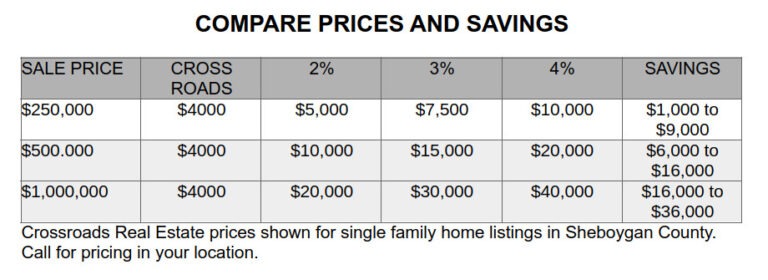
Consider your best choice for Listing your home for sale with a Wisconsin Licensed Broker. Finding Real Estate Flat Fee Full Service is like finding buried treasure in your home. Crossroads Real Estate offer a Flat Fee of $4000 for Single Family Homes in Sheboygan County, no matter what your List Price and Selling Price is. Contact Crossroads Real Estate LLC for pricing Real Estate Flat Fee Full Service in Wisconsin.
About the Author