
Written By
Lucille Rosetti
Website: https://thebereaved.org/
For adult children relocating nearer to aging parents, moving closer to family often carries two truths at once: love and responsibility, and a real need for breathing room. Family relocation challenges rarely stay on the surface, because the logistics of housing, work, and routines can stir up grief, guilt, old roles, and questions about identity. Maintaining personal independence can feel selfish when a parent’s needs are growing, yet losing it can quietly breed resentment and burnout. With steadier language for balancing emotional and practical needs, closeness can start to feel clear and chosen.
Understanding Boundaries and Routines in Closeness
Family closeness works best when it has structure, not just good intentions. An emotional boundary is a simple set of rules and behaviors that protect your inner life, even when you care deeply.
Without that structure, connection can turn into constant access, and pressure quietly rises. When unclear boundaries cause stress, even small requests can feel loaded, and you may start avoiding contact or overfunctioning.
Think of it like living near a beloved neighbor, not sharing one room. You set visiting hours, decide when to answer calls, and keep a few routines that are yours alone. A steady routine matters too, and flexible online healthcare programs can help keep it in place.
Keep Career Momentum: Use Online Learning to Rebuild Your Network
Once you’ve clarified what closeness looks like day to day, it can help to anchor your independence in something that’s yours, like your career growth. Going back to school can be a steady way to rebuild your local network, keep your professional momentum, and create a clear sense of “I’m building my own life here” even as you settle closer to family. A program with a consistent rhythm gives you structure during an emotionally busy transition, helps you protect work-life balance, and creates natural ways to meet local peers and mentors. If you want a place to start exploring options, there’s a good background here to help you get started.
Earning a healthcare degree can also be a meaningful path if you’re drawn to making a positive impact on the health of individuals and families. And because many online degree programs are built for flexibility, it’s often easier to juggle work and family responsibilities while still keeping up with your studies. With that foundation in place, the next step is turning your priorities into a relocation plan that protects your boundaries as you make the move.
Build a Relocation Plan That Protects Your Independence
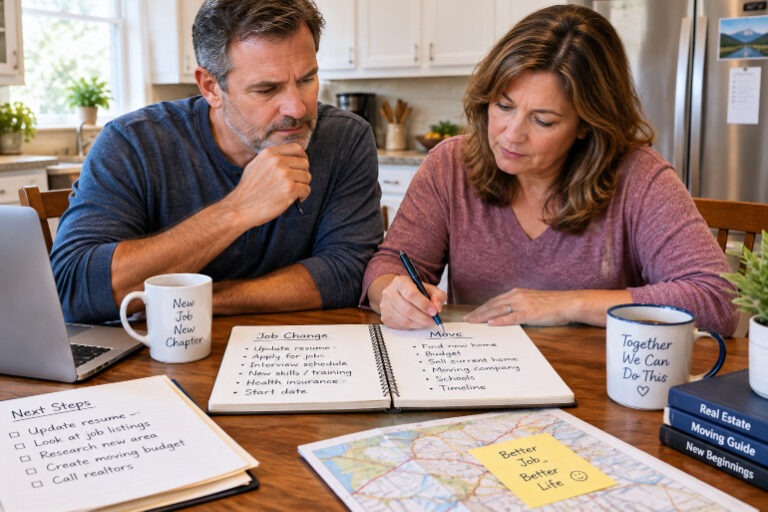
This process helps you move closer to family without losing your footing, your routines, or your sense of self. It’s especially useful when emotions are high and everyone has opinions, because a simple plan gives you something steady to follow.
-
Choose a neighborhood that supports your real life
Start with your non-negotiables like commute time, quiet, walkability, and access to places that keep you grounded such as a gym, library, or café. If you need flexibility, let work flexibility be part of your location filter, not an afterthought. Aim for a place that makes it easy to show up for family and still return to a home life that feels like yours. -
Map your “closeness schedule” before you sign anything
Write down what you can realistically offer in a normal week: one dinner, one errand run, a Sunday visit, or whatever fits. Then compare that to what family is hoping for and look for a middle path you can repeat without burning out. -
Use a transition checklist to reduce stress
Create one list for paperwork, one for move logistics, and one for your first two weeks of routines. Include essentials like an employment contract if your move affects your job, plus utilities, address changes, and healthcare providers. Checklists are quiet reassurance when everything else feels loud. -
Set boundaries early, kindly, and in writing
Share a simple plan: how often you will visit, how much notice you need, and what you cannot take on. Tie it to your well-being and responsibilities, since poor work-life balance can strain family relationships over time. Clear boundaries now prevent confusion, guilt spirals, and simmering resentment later. -
Run a 30-day reset after you arrive
After a month, review what is working and what is draining you, then adjust one or two habits at a time. Keep one anchor routine that is just for you, like a weekly class, a work block, or a standing meet-up, so your identity does not get swallowed by the move.
FAQs About Moving Near Family, Staying Independent
Q: How do I manage family expectations without disappointing everyone?
A: Start by naming what you can genuinely offer, then say it clearly and calmly. One practical move is to list the specific requests you have already heard, so you are responding to reality, not pressure. Offer a predictable “yes” you can sustain, and practice a kind, consistent “not this time.”
Q: What do I do when guilt shows up after I set boundaries?
A: Remind yourself that a boundary is a clear line that protects both people, not a punishment. Try a short script: “I love you, and I’m not available for that.” Then follow through once so your nervous system learns you are safe.
Q: Can I move closer if my job might change?
A: Yes. Career shifts are common, and it can help to remember many people go through 3-7 careers over a lifetime. Update your resume before the move, and set a 60-day plan for networking and applications.
Q: How should I handle surprise drop-ins or last-minute favors?
A: Decide on a default rule, like requiring a day’s notice, and repeat it every time. Keep your tone warm, but keep your answer firm so it does not become a debate.
Q: How can I stay connected without becoming the on-call helper?
A: Pick one reliable touchpoint, like a weekly meal or call, and protect it like an appointment. When extra needs arise, offer choices: “I can help Saturday morning or I can order delivery.”
Moving Near Family Without Losing Your Independence or Identity
Moving closer to family can stir a tender fear: gaining support might mean losing breathing room. The steadier path is holding a growth mindset alongside clear boundaries, letting connection deepen while keeping your own life intact. With that approach, the benefits of living near family show up as more help, more presence, and less loneliness, without giving up independence confidently or stalling personal development. Closeness doesn’t require compliance, it requires clarity.
About the Author